

Reviewed by: Dr. John P. Fezza, M.D., Cosmetic Facial Surgeon.
Table of Contents
Summary
Botox dosage is not one-size-fits-all. The appropriate number of units depends on the treatment area, muscle strength, facial anatomy, previous treatments, and desired results. General unit ranges can provide a useful reference, but an individualized evaluation is the best way to determine an appropriate treatment plan.
Botox dosage varies by treatment area, facial anatomy, muscle strength, and individual goals. Smaller areas may require only a few units, while stronger muscles or larger treatment areas may require more. Your provider will determine the appropriate amount after evaluating your facial movement and desired results.
Are you starting to notice the unwelcome signs of aging? Anti-aging and facial rejuvenation using Botox can help with the appearance of fine lines and wrinkles.
Botox is a safe, non-surgical procedure with both cosmetic and therapeutic uses. It’s administered by our very experienced doctor, Dr. John P. Fezza and our physician assistants, Kalie Kosek and Eleni Chalvadakis, in Venice, Florida. A consultation with our doctor can help to determine the number of units required for a Botox treatment.
Bear in mind the number of units can vary by the area of treatment, the unique individual, and other factors. Keep reading to learn more about Botox, the units required, and what results to expect.
What Is Botox?
Botox uses botulinum toxin type A as a muscle relaxer. When injected into the skin, it can reduce the effects of aging skin. But what does Botox do exactly?
When Botox is injected into the target muscles of your face, it blocks the signals from the nerves to the muscles that control contraction. This temporary paralysis keeps the muscles soft and relaxed, giving your face a tighter and more youthful appearance.
Botox can treat the following areas:
- Forehead lines: These are horizontal lines across the forehead area.
- Crow’s feet: These are fine lines around the eyes and are more noticeable when you smile.
- Glabellar lines: These are lines between the eyebrows and appear with frequent frowning and squinting.
- Lines around the lips: These lines can become more apparent with age, smoking, or sun exposure.
- Chin lines: These lines are also called Marionette lines and can become more pronounced with aging.
- Bunny lines: Small wrinkles that appear along the sides of the nose when smiling or scrunching the nose.
- Jawline: Botox may be used in the masseter muscles to address a wider or more prominent-looking jaw caused by muscle activity.
- Gummy smile: Botox may help limit excessive upper-lip movement that exposes more of the gums when smiling.
- Downturned mouth corners: Targeted treatment may relax muscles that pull the corners of the mouth downward.
- Eyebrow area: Carefully placed injections may help create a subtle lifting effect around the brows.
Botox Injection Units
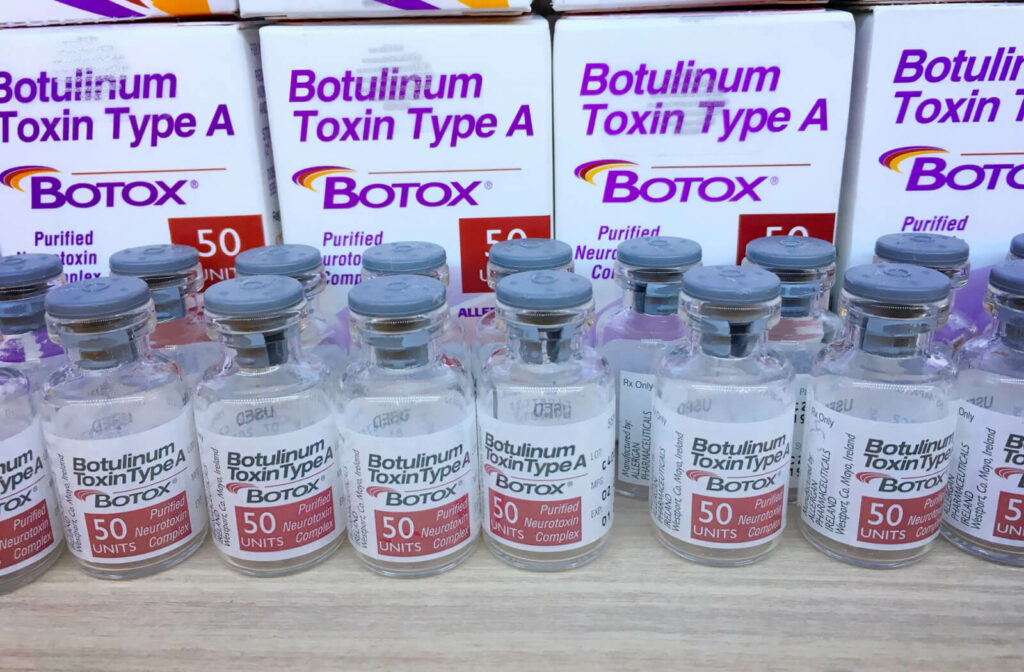
Botox is measured and injected in units and usually comes in 50 or 100 units per vial. The number of units needed to treat a specific area is different for everyone and depends on a few factors:
- Muscle size
- Position of the muscle
- Strength of the muscle
- Gender
- Patient goals
- First time Botox injection
The number of Botox units per area can vary based on individual facial structure, the strength of targeted muscles, and the level of correction desired. A consultation helps determine a personalized treatment plan rather than using a standard amount for every patient.
Your medical team can determine the number of units to use according to the guidelines set out by Allergan, the manufacturer of Botox Cosmetic.
Botox Units by Treatment Area
The number of Botox units needed can vary depending on the treatment area, muscle strength, facial anatomy, and individual goals. The table below provides general unit ranges for commonly treated areas, but your provider will determine the appropriate dosage during a consultation.
The comparison below also provides a general estimate of how long results may last. Individual dosing and duration can vary based on anatomy, muscle activity, treatment goals, and response to Botox.
| Treatment Area | Common Botox Unit Range | Typical Duration |
| Forehead lines | Around 10–20 units | About 3–4 months |
| Crow’s feet | Around 12–24 units | About 3–4 months |
| Glabellar lines | Around 15–25 units | About 3–4 months |
| Lip lines | Around 4–8 units | About 2–4 months |
| Chin lines | Around 4–10 units | About 3–4 months |
| Jaw/masseter | Varies by muscle size and goals | About 3–6 months |
| Neck bands | Varies based on treatment plan | About 3–4 months |
How Many Units of Botox for Forehead?
There are 5 injection sites for the forehead: 2 beneath the hairline, 2 over the temples, and 1 in the center. The recommended dose by Allergan is 4 units for each injection site, which is 20 units.
Many people searching for how many units of Botox for the forehead are looking for a general estimate. However, the exact number depends on forehead muscle movement, wrinkle depth, and the balance between the forehead and eyebrow muscles.
Your doctor may start with a low dose to see your response and add additional units after a few weeks at your follow-up appointment. This helps to determine the correct dosage for future visits every 3 to 4 months.
Depending on the severity of your lines and the dosage, Botox can give you a smoother, tighter-looking forehead.
How Many Units of Botox Are Needed for Crow’s Feet?
Crow’s feet are fan-like lines on the sensitive skin around the corners of your eyes. The recommended number of units for these fine lines is 24 for optimal results. However, this can vary depending on your needs and response to treatment.
Since crow’s feet cover only a small area around the eye, you may only need a few Botox units.
How Many Units of Botox Are Needed for Glabellar Lines?
These lines appear between the eyes and eyebrows, also known as 11 or frown lines. 5 injection sites are used to create a v-shape, with 2 along the upper brows and 1 between the eyebrows.
The number of units can go up to 5 per injection site, totaling 25 units. Again, this number depends on the severity of your lines, as 11 lines can be deep. Your doctor usually begins with fewer units and increases until the desired results are reached.
How Many Units of Botox Are Needed for Lip Lines?
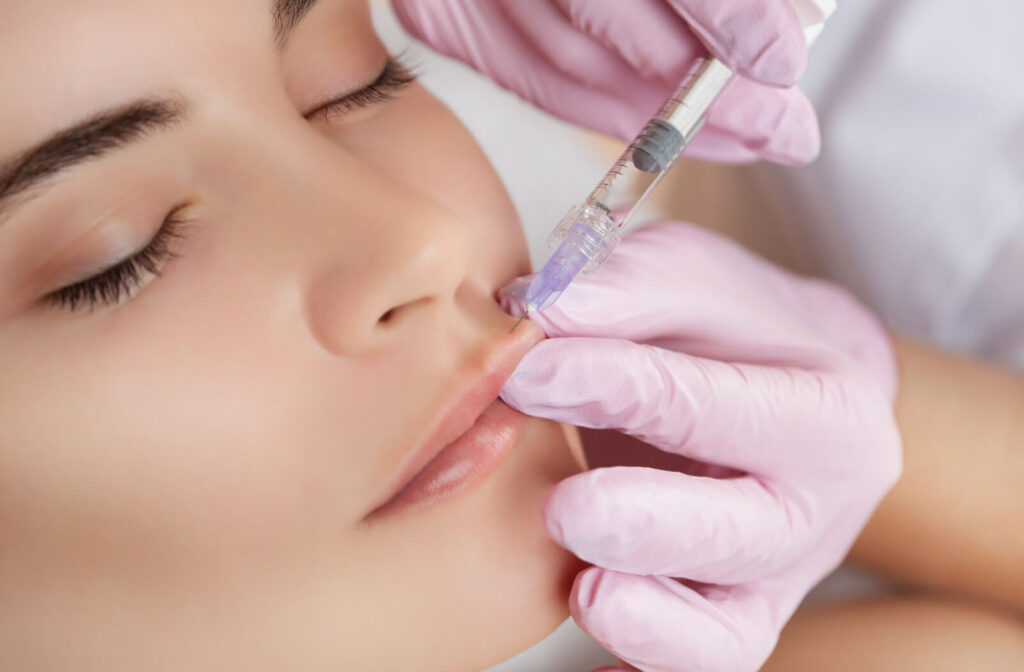
Lip lines, sometimes called smoker’s lines, are vertical lines that appear around the mouth area due to aging, repetitive movements, sun exposure, or other factors. Botox may help relax specific muscles that contribute to these lines.
The number of units needed for lip lines varies depending on the strength of the muscles around the mouth and the patient’s desired outcome. A provider may recommend a customized amount to maintain natural movement while improving the appearance of wrinkles.
How Many Units of Botox Are Needed for Chin Lines?
Chin lines can appear as dimpling, uneven texture, or wrinkles caused by repeated contraction of the chin muscles. Botox may be used in this area to relax muscle activity and create a smoother appearance.
The number of Botox units for the chin depends on the severity of the lines and the individual’s facial anatomy. Your provider can determine the appropriate dosage during an evaluation.
How Many Units of Botox Are Needed for Neck Lines?
Botox may also be used for certain neck concerns, including visible muscle bands or wrinkles caused by muscle activity. Treatment in this area requires careful assessment because the neck contains important muscles involved in movement.
The number of units needed for neck treatment varies widely based on the treatment goals, muscle strength, and the area being addressed.
Male vs. Female Dosing
Botox dosing is based on individual anatomy rather than gender alone. However, men may have larger or stronger facial muscles, particularly in the forehead and between the eyebrows, and may therefore require more units in some areas. Muscle strength, facial structure, treatment history, and desired movement are more important than using a standard male or female dose.
How Long Do the Effects of Botox Last?
Botox results usually last between 4–6 months. However, everyone is different, and results vary per individual.
Some patients notice their Botox lasts longer than 6 months, while others may see it wearing off after 2 months. If this is your first Botox treatment, your results will likely wear off quicker than 4 months, so you may need a second treatment. The more often you use Botox, the longer your treatments last.
Many patients notice the results of a Botox treatment in 3–4 days, but your doctor may advise you to wait up to 14 days to see the effects before booking a follow-up appointment.
Is Botox Safe?
You may be wondering, is Botox safe? The good news is that Botox has been extensively tested and approved by the FDA for cosmetic and therapeutic use. It is considered a very safe treatment when administered by a qualified and experienced professional like Dr. Fezza or our physician assistants. Botox has a long track record of success and minimal side effects, especially when applied by certified practitioners.
Understanding how Botox works and what it can realistically achieve is an important part of making an informed decision about treatment. Many common misconceptions exist about Botox and dermal fillers, including concerns about results, safety, and whether these treatments create an unnatural appearance. To learn more about the facts behind these popular cosmetic injectables, read our guide: 10 Botox and Filler Myths Busted by Dermatology Experts.
Optimal Results with the Right Amount of Botox
Botox treatments provide a safe, effective, non-surgical, and FDA-approved way to achieve younger, firmer-looking skin. Every individual is different, and therefore a cookie-cutter approach won’t work.
If you are wondering how many units of Botox do I need, the answer depends on the treatment area, muscle activity, facial structure, and your cosmetic goals. A personalized consultation helps determine the right approach for natural-looking results.
If you’re wondering how much Botox is, it can vary depending on the number of units needed and the treatment area. Book an appointment with our team at AMARA Aesthetic Surgery and Dermatology, and our doctors can help determine and recommend the right amount of Botox units to achieve your goals.
Key Takeaway
- The number of Botox units needed depends on the treatment area, muscle strength, facial anatomy, and desired results.
- Common treatment areas such as the forehead, crow’s feet, glabellar lines, lips, chin, and neck may require different dosage ranges.
- A personalized consultation with a qualified provider helps determine the right Botox amount for safe and natural-looking results.
Conclusion
Understanding Botox dosage can help you have realistic expectations before treatment. While general unit ranges are available for different facial areas, the ideal amount varies from person to person. Factors such as muscle movement, treatment goals, and facial structure all influence the final recommendation. Consulting an experienced provider is the best way to determine the appropriate Botox plan for your needs.
Frequently Asked Questions
First-time patients may start with a conservative amount so their provider can evaluate how their muscles respond. At repeat appointments, the dosage may be adjusted based on previous results, remaining muscle movement, and treatment goals. The number of units may therefore change as your provider learns how you respond to treatment.
Botox and Dysport are both botulinum toxin products, but their units are measured differently and cannot be compared one-to-one. The number of Dysport units used may therefore be different from the number of Botox units for a similar area. Your provider determines the appropriate product and dosage for your treatment.
There is no single number that is considered too much for every patient. Appropriate dosing depends on the treatment area, muscle strength, anatomy, and treatment goals. Using more than necessary in a particular area may affect natural facial movement, which is why dosing should be determined by an experienced provider.
Not necessarily. Using more Botox does not automatically create better results or guarantee that the effects will last longer. The goal is to use an appropriate amount for the targeted muscles while maintaining facial balance and natural movement. Your provider can adjust the dosage based on your response and treatment goals.
The number of Botox units used for the jaw depends largely on the size and strength of the masseter muscles and the treatment goal. Because jaw muscles can vary considerably between patients, there is no standard amount appropriate for everyone. An in-person assessment helps determine an individualized dose for the area.