

Reviewed by: Dr. John P. Fezza, M.D., Cosmetic Facial Surgeon.
Table of Contents
Summary
Botox aftercare is generally straightforward, but the first few hours and days after treatment are important. Avoid rubbing or putting pressure on treated areas, strenuous activity, excessive alcohol, and facial treatments for the recommended amount of time. Staying upright during the initial hours and following your provider’s instructions can help protect the treated areas while Botox begins to take effect.
A common part of aging is undesirable lines or wrinkles. Botox or dermal fillers can be a great solution to improve our appearance and boost our self-confidence. Even though Botox is a relatively simple cosmetic procedure, it still needs to be performed by a qualified professional. Additionally, there are recommended “dos and don’ts” for Botox aftercare that your provider will let you know about.
For the first few hours after Botox, avoid rubbing or putting pressure on the treated areas and stay upright. Avoid strenuous exercise for at least 3 hours and excessive alcohol for at least 24 hours. Facials, facial massages, and other treatments that put pressure on the treated areas should generally be avoided for about 2 weeks or until your provider says they are appropriate.
Botox aftercare plays an important role in supporting proper healing and helping you achieve the best possible results. After treatment, avoid activities such as rubbing the injection areas, strenuous exercise, alcohol consumption, and facial treatments until your provider confirms they are appropriate.
What Is Botox
To understand botox aftercare, first, let’s take a look at what this treatment is. Botox contains the bacterium Clostridium botulinum. When injected in small, therapeutic concentrations, it works by paralyzing the nerves in the targeted muscles. The goal is to cause wrinkles to smoothen out because the muscles cannot contract.
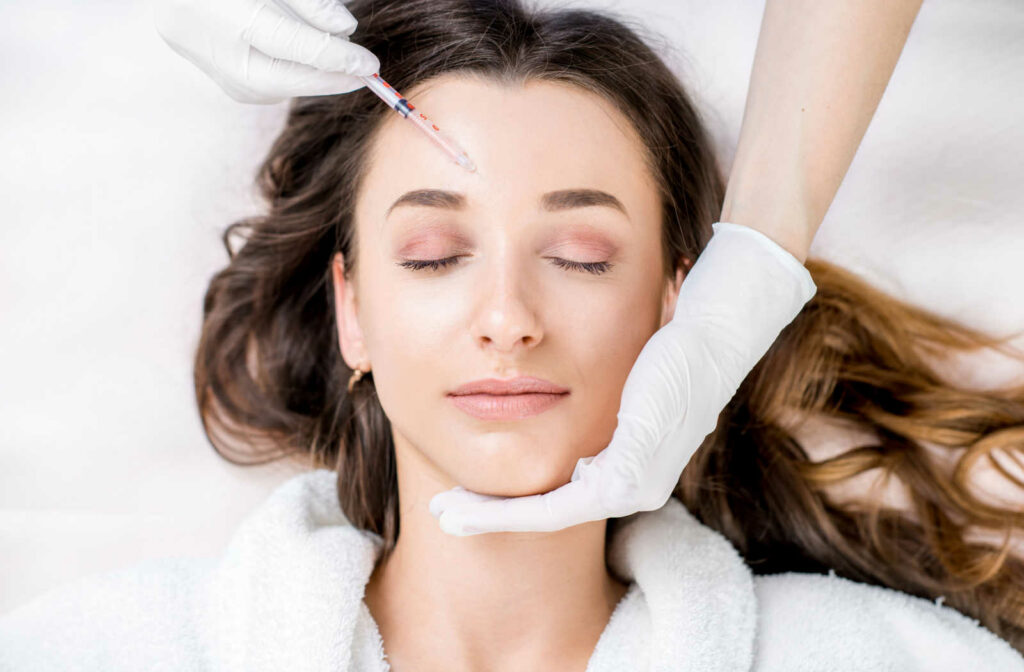
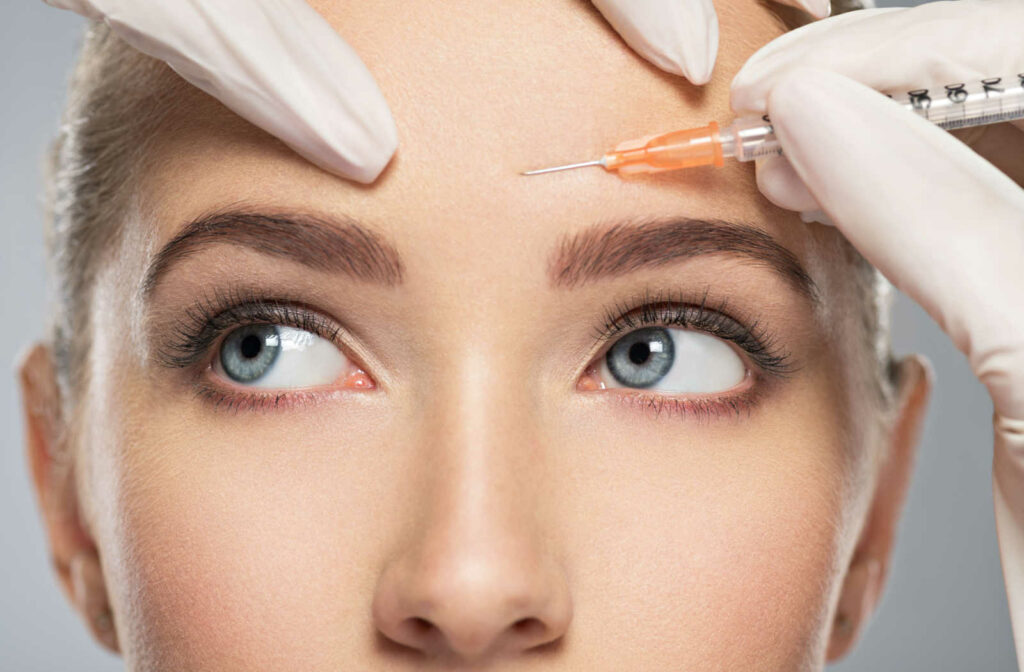
Getting Botox is typically a quick procedure that doesn’t require anesthesia or numbing. The doctor uses a tiny needle and injects the toxin into specific muscles. Most people only feel mild discomfort at the injection site temporarily.
Typically you’ll see results within the first 2 weeks after the treatment, and they can last for several months. Keep in mind that factors like the targeted area or the amount of botox used can cause the timing to vary slightly.
Common Uses
Botox was originally approved by the FDA for therapeutic use in 1989. Therapeutic uses it was approved for include things like eye-muscle disorders, uncontrollable blinking, or crossed eyes. But in 2002, the FDA approved it further for cosmetic use.
Common cosmetic uses for Botox include:
- Crow’s feet
- Frown lines
- Sun damage or gravity-caused wrinkles
- Lip and chin lines
- Corners of mouth
- Neck
What Not to Do After Botox
Generally, there aren’t any severe side effects after getting a Botox treatment. There are a few things to keep in mind to ensure you get the best results possible.
After Botox, you should not:
- Exercise or perform any strenuous activities for at least 3 hours
- Drink excessive alcohol for at least 24 hours (your doctor will also likely recommend avoiding alcohol for a week before the procedure as well)
- Avoid sleeping on or rubbing your face
- Get facials, face massages, or other beauty treatments for at least 2 weeks after botox injections
- Be in direct sunlight for at least 2 weeks
Botox Aftercare: Timed Checklist
The recommended waiting period after Botox can vary depending on the activity and the areas treated. Use this quick checklist to understand what to avoid and for how long after your treatment.
| What to Avoid | How Long to Avoid It | Why It Matters |
| Rubbing or pressing the treated areas | First 24–48 hours | Helps avoid unnecessary irritation or pressure on the injection sites. |
| Strenuous exercise | At least 3 hours or as advised | May increase circulation and discomfort around the treated areas. |
| Excessive alcohol | At least 24 hours | May increase the chance of bruising for some individuals. |
| Facials, face massages, or other beauty treatments | Around 2 weeks | Helps prevent pressure or manipulation of the treated areas. |
| Direct sun exposure | Around 2 weeks | Helps protect sensitive skin following treatment. |
Botox Aftercare Timeline
Following a Botox treatment, the first few hours and days are important for protecting the treated areas. While individual instructions may vary, understanding a general aftercare timeline can help patients know what activities to avoid and when they may return to normal routines.
First 4 Hours
During the first few hours after Botox, avoid touching, rubbing, or applying pressure to the treated areas. Staying upright and avoiding activities that may increase blood flow to the face can help support proper aftercare.
First 24 Hours
For the first day after treatment, avoid strenuous exercise, excessive alcohol, and activities that may irritate the injection sites. Following your provider’s recommendations during this period can help minimize unnecessary irritation.
First 48 Hours
Within the first 48 hours, continue avoiding facial treatments, massages, or anything that places pressure on treated areas. Allow your skin and muscles time to adjust after the injections.
What to Avoid After Botox
Understanding what to avoid after Botox can help support proper healing and reduce the risk of unnecessary irritation after treatment. Following simple aftercare guidelines during the first few hours and days can help protect the treated areas and support optimal results.
| What to Avoid After Botox | How Long | Why It Matters |
| Rubbing or pressing on treated areas | First 24–48 hours | Helps avoid unnecessary irritation or pressure on injection sites |
| Strenuous exercise | At least 3 hours or as advised | May increase circulation and discomfort around treated areas |
| Alcohol consumption | At least 24 hours | May increase the chance of bruising for some individuals |
| Facials, massages, or cosmetic treatments | Around 2 weeks | Prevents pressure or manipulation of treated areas |
| Direct sun exposure | Around 2 weeks | Helps protect sensitive skin after treatment |
Can I Wear Makeup After Botox?
You may be able to wear makeup after Botox, but it is important to avoid rubbing, pressing, or massaging the injection sites when applying or removing it. Because aftercare recommendations can vary depending on the areas treated, ask your provider when it is appropriate to resume makeup. When you do, use a gentle application technique and avoid unnecessary pressure on the treated skin.
Can I Sleep on My Side After Botox?
It is generally best to avoid placing unnecessary pressure on the treated areas immediately after Botox. During the first few hours, stay upright and follow your provider’s instructions about when you can lie down. If sleeping on your side would put pressure directly on an injection site, your provider may recommend avoiding that position initially. Your specific treatment areas will determine the most appropriate guidance.
Aftercare Tips
Before and after the procedure, your doctor or nurse can review all the pertinent aftercare information to ensure everything heals properly. But here are a few general aftercare tips to get you started:
- Gently exercise your face after the treatment. A good way to do this is by frowning and smiling, but don’t push or massage the skin. Doing this typically helps the effect of Botox show up quicker.
- Stay upright for at least a few hours after the procedure.
- Follow all your doctor’s instructions.
Potential Side Effects
Although it’s rare for the toxin in botox to spread throughout your body, there is still the potential for side effects. If you notice any of the following symptoms, it’s important to see a doctor right away:
- Sudden muscle weakness
- Trouble holding a conversation or swallowing
- Vision or breathing problems
- Loss of bladder control
Other more common but less serious side effects include:
- Minor bruising that typically resolves itself within 24 to 48 hours
- Pain or discomfort at the injection site
- Dry eyes or excessive watering
How Much Upkeep Does Botox Need?
There’s no real one-size-fits-all answer for how much upkeep Botox injections need. It depends on the area of your body being injected and how much Botox the doctor uses. On average, you can expect most injectable treatments to last for 3 to 4 months and up to 6 months for some.
Key Takeaway
- Botox aftercare can help support healing and protect treatment results when proper guidelines are followed.
- Avoid rubbing treated areas, strenuous activities, alcohol, and facial treatments during the recommended recovery period.
- Following your provider’s personalized instructions is important for a safe recovery and achieving the best possible outcome after Botox treatment.
Find Out if Botox Is Right for You
Knowing what to avoid after botox can help patients make informed decisions after treatment. While Botox is a minimally invasive procedure, proper aftercare supports comfort, healing, and overall results. If you have questions about your recovery timeline, consult your provider for guidance based on your specific treatment.
If lines and wrinkles are impacting your self-confidence, there’s help available in Venice, Florida. Give us a call at AMARA Aesthetic Surgery and Dermatology today. Our professional team can discuss your options and recommend Botox treatment or other cosmetic procedures. Schedule an appointment!
Frequently Asked Questions
Immediately after Botox, avoid rubbing, massaging, or putting pressure on the injection sites. You should also remain upright for the first few hours and avoid strenuous exercise. These precautions help minimize unnecessary irritation around the treated areas. Always follow your provider’s specific instructions because recommendations may differ based on where Botox was injected.
You can generally return to gentle facial cleansing after Botox, but avoid rubbing, scrubbing, or applying significant pressure to the treated areas. Use gentle movements when washing and drying your face. Your provider may give you specific instructions about cleansing based on your treatment areas, so follow those recommendations before returning to your normal skin care routine.
The existing aftercare guidance recommends avoiding exercise or strenuous activity for at least 3 hours after Botox. Your provider may recommend waiting longer depending on your treatment and normal exercise routine. Because vigorous activity can increase circulation and discomfort around treated areas, follow the timeline provided by your injector before returning to strenuous workouts.
Facials, facial massages, and other beauty treatments should generally be avoided for around two weeks after Botox injections. These treatments may involve rubbing, pressure, or manipulation of areas where Botox was administered. Before scheduling a facial or another cosmetic treatment, confirm with your provider that enough time has passed based on your specific treatment.
Botox results are not necessarily immediate. Typically, you’ll see results within the first two weeks after treatment, although timing can vary depending on the treatment area and the amount of Botox used. Follow your provider’s aftercare recommendations during this period and ask when you should return for evaluation if you have questions about your results.