


Reviewed by: Dr. Joshua M. Newman, M.D., General Surgical and Cosmetic Dermatologist.
Summary
You can tell a lot about someone by looking at their skin—it’s our biggest organ, after all. And we’re not just referring to wrinkles and blemishes.
Noticing unexpected changes on your skin can be stressful. Is that new spot just a bit of sun damage, or is it a sign of a deeper health issue? Reviewed by dermatologist Dr. Joshua M. Newman of AMARA in Venice, Florida, this guide helps clear up that worry. You will discover how conditions inside the body cause visible skin changes, learn what common skin cancers look like, and find simple prevention tips so you know exactly when to get an expert opinion.
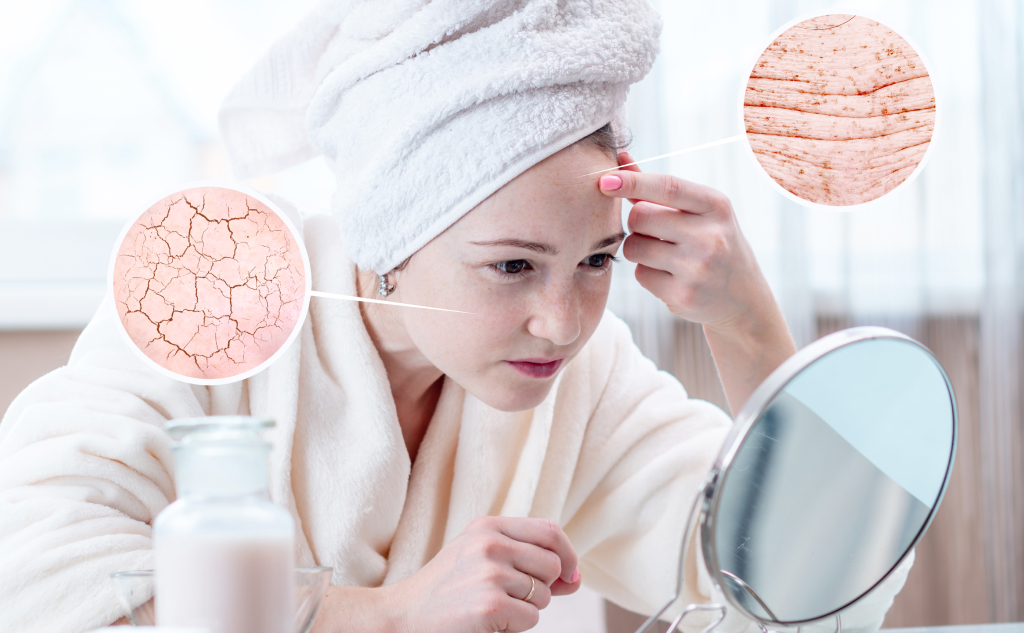
Table of Contents
Signs of Health Issues in Your Skin
1. Dry, Itchy Skin
Dry, itchy skin could indicate deeper health concerns like thyroid disorders, diabetes, or even lymphoma. Thyroid issues can cause dryness due to hormone imbalances, and diabetes can cause fluid loss. In rare cases, persistent dryness points to lymphoma. Staying hydrated and monitoring persistent dryness may help you catch these conditions early. Your skin might be sending you an important signal!
2. Pallor
Pallor is when your skin, especially on the face, lips, or inside your eyes and mouth, looks unusually pale. It could mean you’re low on iron or vitamin B12, signaling anemia or a nutrient deficiency. If you notice this, make sure to pinpoint the cause and get the right nutrients. Your body needs fuel to stay vibrant and healthy.
3. Jaundice
Jaundice is when your skin and the whites of your eyes turn yellow. It’s caused by a build-up of bilirubin in your blood and signals potential liver issues, like hepatitis or a blocked bile duct. If you notice these yellowish changes, get medical attention immediately.
4. Butterfly Rash
A butterfly-shaped rash across the cheeks and nose could be a sign of systemic lupus erythematosus (SLE), an autoimmune disease. Lupus can cause various symptoms and requires medical attention for management.
5. Acanthosis Nigricans
This condition causes dark, velvety plaques in body folds like the neck and armpits and can be associated with diabetes or internal malignancy.
Types of Skin Cancer
Skin cancer is incredibly common, but the good news is that most types are highly treatable if caught early. There are a few different kinds, each with its own quirks:
1. Basal Cell Carcinoma (BCC)
This is the most frequent type of skin cancer, and it usually pops up in areas that get a lot of sun. Think face, ears, neck – those spots that are always catching rays. BCC tends to grow slowly, and new treatments are making it even easier to manage.
2. Squamous Cell Carcinoma (SCC)
SCC also likes to appear in sun-exposed areas, and it can be a bit more aggressive than BCC. Regular skin checks and being sun-smart are key to catching it early.
3. Melanoma
This is the one that tends to cause the most concern. Melanoma can spread if not caught early, but thankfully, treatments have come a long way. And remember, melanoma isn’t always just about moles; it can show up in unexpected places like under your nails or even on the soles of your feet.
Read more about the different types of skin cancer and their treatment options.
Early Detection and Prevention
- Skin Self-Exams: Make it a habit to check your skin regularly. Look out for any new growths, changes in existing moles, or anything unusual on your skin. Early detection can make a huge difference.
- Sunscreen Use: Protect your skin by using a broad-spectrum sunscreen with an SPF of 30 or higher. This helps prevent UV radiation damage, which is the main cause of most skin cancers.
- Regular Dermatologist Visits: Seeing a dermatologist once a year for skin cancer testing is essential. These visits can help catch and treat any potential issues early on. It can even be as simple as a diet change.
Don’t know what to ask your doctor about your skin cancer diagnosis? Here are the Top 10 Questions to Ask Your Dermatologist About Skin Cancer!
Key Takeaways
- Shifts in texture or color often point to internal conditions like thyroid imbalances or diabetes. Hence, listen to your skin.
- Keep a close eye on non-healing sores, yellowing skin, or unique butterfly-shaped rashes.
- Check monthly for new, growing, or changing spots that look different from others.
- Consistent sunscreen use prevents severe UV damage and lowers your long-term health risks.
- Getting sudden or chronic skin changes evaluated by an expert guarantees accurate, timely answers.
Conclusion
If you notice changes in your skin, don’t panic – most skin issues are treatable and aren’t signs of severe illness. Even if you need treatment for a skin cancer diagnosis, it doesn’t always have to mean surgery. But it’s important to schedule an appointment with a board-certified dermatologist to get a proper diagnosis and treatment plan. Your skin might be trying to tell you something, and it’s best to listen.
To ensure you’re getting the best care, book an appointment with AMARA. Taking action now can make a big difference in your overall health and peace of mind.
While we strive to provide accurate and up-to-date information, medical knowledge is constantly evolving, and new research may change the nature of certain conditions. Please remember to consult with a healthcare professional or dermatologist for proper diagnosis, treatment, and guidance regarding skin cancer or any other medical condition.
Frequently Asked Questions
Systemic issues like diabetes, thyroid disorders, and autoimmune diseases like lupus frequently manifest on the skin first. For instance, insulin resistance can cause dark, velvety patches, while thyroid imbalances often lead to extreme dryness. Identifying these internal markers early requires a trained eye. Schedule an evaluation with a specialized dermatologist to examine any unusual developments.
Yes. While often benign, persistent dry skin can stem from diabetic fluid loss, a butterfly-shaped facial rash can signal lupus, and sudden yellowish discoloration (jaundice) points to liver dysfunction. In Florida’s climate, distinguishing environmental dryness from a systemic warning sign is crucial. Have our clinical professionals evaluate any chronic or sudden skin changes for appropriate treatment and care.
Never ignore a sore that refuses to heal, unexpected dark plaques in body folds, or a shifting, asymmetrical mole. Additionally, sudden jaundice or a persistent rash across your nose and cheeks warrants immediate attention. These are critical indicators of underlying health concerns. Connect with a medical dermatology expert promptly to secure an accurate, professional assessment.
It is difficult to determine without a clinical exam, as internal illness frequently mimics routine conditions. However, if a skin change is widespread, resists topical treatments, or is accompanied by systemic symptoms like fatigue, it may point to an internal issue. Request a comprehensive full-body screening with a board-certified specialist to ensure nothing is missed.
Absolutely. As your body’s largest organ, the skin acts as a primary diagnostic window. Subtle shifts in texture, pigment, or healing capacity often mirror internal cellular changes, nutrient deficiencies, or oncology concerns. Trusting your skin’s warning signs and consulting an expert physician ensures you receive the proactive, medical-grade care your body needs.