
Reviewed by: Dr. John P. Fezza, Cosmetic Facial Surgeon.
Table of Contents
Summary
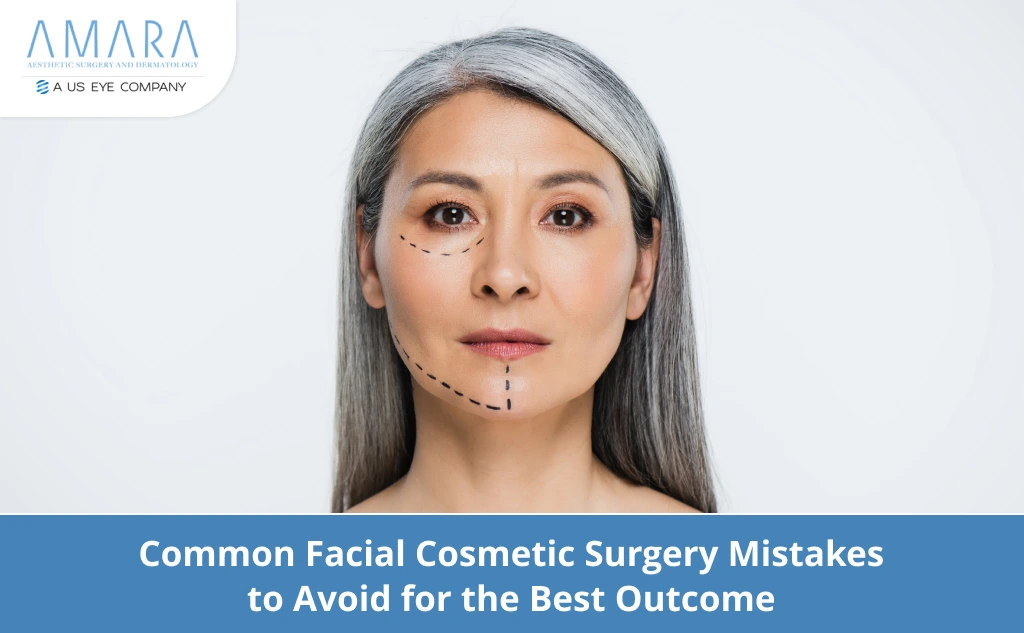
When carefully planned, facial cosmetic surgery can create a more rested, balanced, and natural-looking appearance. The strongest outcomes usually begin long before surgery, with the right surgeon, clear expectations, an honest medical history, and a closely followed recovery plan.
The most common facial cosmetic surgery mistakes include choosing a surgeon based mainly on price, expecting surgery to copy someone else’s face, withholding information about medications or smoking, and rushing recovery. For patients considering facial cosmetic surgery, understanding these issues can help make the process safer, clearer, and more productive.
Mistake 1: Choosing a Surgeon Based on Price Alone
Cost is part of any cosmetic surgery decision, but it should not be the main factor. Facial procedures require detailed knowledge of anatomy, balance, proportion, incision placement, and healing patterns. A lower price may seem appealing at first, but revision surgery, visible scarring, or an unnatural result can be far more costly over time.
How to choose a cosmetic surgeon
Patients can also review guidance from trusted medical organizations, such as the American Society of Ophthalmic Plastic and Reconstructive Surgery, to better understand surgeon qualifications, safety considerations, and what to expect before cosmetic surgery. For facial procedures, it is also important to choose a surgeon whose work fits the patient’s goals. Some people want a subtle change. Others need more structural correction. The consultation should help clarify what is realistic.
Before choosing a facial cosmetic surgeon, patients should evaluate more than cost. Reviewing important factors during consultation can help identify a surgeon who prioritizes safety, experience, and natural-looking results.
| What to Check | Why It Matters |
| Board certification and specialized training | Helps confirm that the surgeon has the appropriate education and experience for facial procedures. |
| Experience with the specific procedure | Facial surgery requires an understanding of facial anatomy, proportions, and techniques specific to each concern. |
| Before-and-after results | A consistent history of natural-looking outcomes can provide insight into the surgeon’s approach and aesthetic style. |
| Facility standards and safety protocols | A properly equipped surgical setting helps support patient safety throughout the procedure. |
| Communication during consultation | A thorough consultation helps ensure expectations, goals, and possible outcomes are clearly discussed. |
Quick Tip: Look for consistency in a surgeon’s before-and-after gallery. One good result is helpful. A consistent pattern of natural-looking outcomes is more meaningful.
At AMARA, Dr. John Fezza focuses on facial cosmetic and laser surgery. Patients seeking a facial surgery center can discuss options such as facelift, eyelid, and brow lift surgeries, as well as other facial rejuvenation procedures, in a setting designed for aesthetic care.
Mistake 2: Going Into Surgery With Unrealistic Expectations
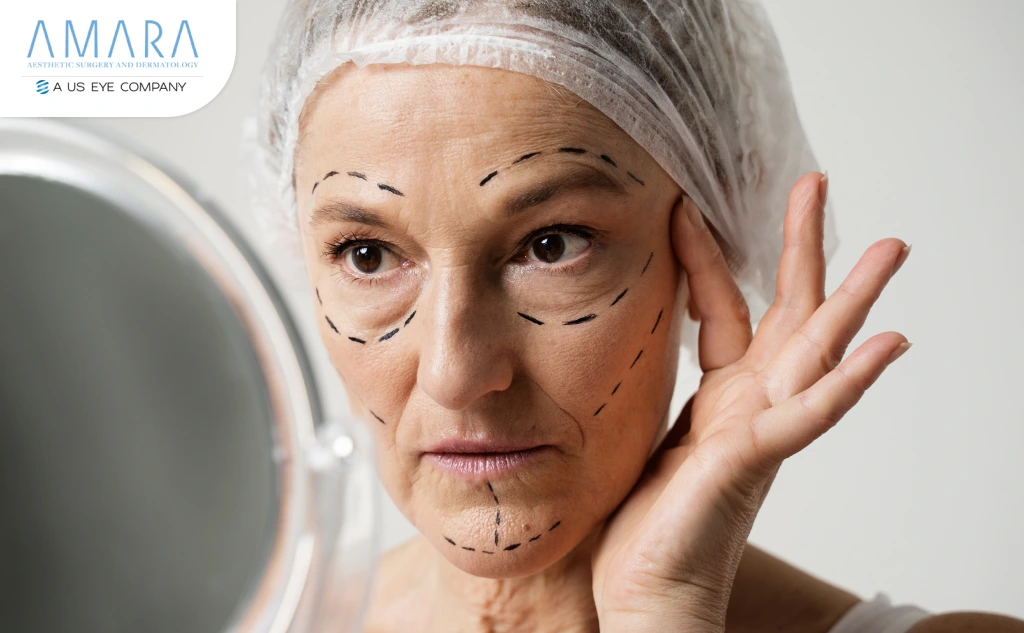 Good facial surgery does not create a different person. It should help the face look more rested, refined, and balanced while still looking familiar. Problems often begin when a patient brings in a celebrity photo, focuses on one isolated feature, or expects surgery to correct every sign of aging at once.
The goal should fit the face
Every face has its own bone structure, skin thickness, eyelid shape, brow position, and aging pattern. A procedure that looks appropriate on one person may not suit another. During consultation, the surgeon should explain what can be improved, what should be left alone, and what result would look natural for the patient’s features.
This is especially important with procedures such as deep plane facelift, where the goal is usually to restore deeper support rather than pull the skin tight. The best result should look refreshed, not stretched.
Mistake 3: Withholding Medical History, Medications, or Lifestyle Habits
Surgery planning depends on accurate information. Patients should be direct about prescriptions, supplements, prior procedures, smoking or nicotine use, alcohol use, allergies, medical conditions, and previous injectables or laser treatments.
Why honesty protects the outcome
Some medications and supplements can affect bleeding or bruising. Nicotine can affect blood flow and healing. Prior fillers or energy-based treatments may also influence the surgical plan. These details do not automatically prevent surgery, but they help the surgeon plan more safely.
Hematoma, infection, wound problems, and nerve injury are risks, although serious complications are uncommon. Hematoma is one of the more common complications requiring intervention.
What to discuss before surgery
Patients should bring a complete list of medications and supplements to the consultation. They should also discuss prior cosmetic treatments, even if they were performed years earlier. The goal is not to judge past choices. It is to give the surgeon the information needed to reduce plastic surgery risks and complications.
Mistake 4: Choosing the Wrong Procedure for the Concern
One of the most common facial cosmetic surgery mistakes is asking for the wrong procedure to solve the right concern. Loose skin along the jawline, heavy upper eyelids, under-eye fullness, and low brow position may all appear around the same time, but they do not all respond to the same treatment. Understanding facial treatment mistakes to avoid can help you feel more confident during your consultation, ask the right questions, and work with your surgeon to choose a treatment plan that fits your unique facial features, goals, and desired outcome.
Matching the procedure to the anatomy
A deep-plane facelift may be appropriate for the aging of the lower face and jawline. Eyelid Surgery may be a better fit when excess upper eyelid skin or lower eyelid fullness is the main concern. Brow Lift surgery may be considered when the brow position contributes to heaviness around the eyes.
In some cases, combining procedures can create a more balanced result. In other cases, a more focused plan is better. The right approach depends on anatomy, goals, recovery time, and the degree of change needed.
Avoiding the overdone look
An overdone result often comes from trying to solve every concern with tension, volume, or too much correction at once. Facial rejuvenation should respect the face’s natural structure. That is why careful planning matters as much as the procedure itself.
Mistake 5: Rushing Recovery or Ignoring Aftercare
Even a well-performed procedure needs proper healing. Recovery instructions are not optional. They are part of the treatment plan and can affect swelling, bruising, scarring, comfort, and final results.
Following instructions after surgery
Patients should follow guidance on wound care, activity limits, sleep position, sun protection, medications, and follow-up visits. Returning to strenuous exercise too soon or failing to follow incision care instructions can delay healing. Patients preparing for facelift surgery can also review AMARA’s related guidance on preparing for facial cosmetic surgery, including what to discuss with Dr. Fezza before a procedure.
Giving results time to settle
Facial surgery results do not appear all at once. Swelling, tightness, numbness, and bruising can change gradually as the tissues heal. Early improvement may be visible within weeks, but refinement often continues for months. Judging the final result too soon can create unnecessary stress during a normal recovery process.
Quick Tip: Take recovery photos only at planned intervals. Daily comparison can make normal swelling changes feel more dramatic than they are.
Key Takeaways
- The most common facial cosmetic surgery mistakes usually happen during planning, consultation, or recovery.
- Patients should choose a surgeon based on training, experience in facial surgery, and a track record of consistent, natural-looking results.
- Honest communication about medications, nicotine, supplements, and prior cosmetic treatments helps reduce risk.
- The best procedure depends on the anatomy, not just the area a patient wants to improve.
- Patients searching for facial cosmetic surgery should look for a plan that balances safety, proportion, and realistic expectations.
- Following aftercare instructions is one of the clearest ways to protect the final result.
Conclusion
The best facial cosmetic surgery results stem from careful decisions at every step. Choosing the right surgeon, setting realistic goals, sharing complete medical information, selecting the proper procedure, and respecting the recovery process all help reduce avoidable problems. These steps also help create results that look natural rather than overcorrected.
At AMARA Aesthetic Surgery & Dermatology, Dr. John Fezza works with patients considering deep-plane facelifts, eyelid surgery, brow lifts, and other facial rejuvenation options. To learn more about facial cosmetic surgery, schedule a consultation with AMARA and discuss which approach may be appropriate for your aesthetic goals.
Frequently Asked Questions
Common mistakes include choosing a surgeon mainly based on cost, expecting surgery to replicate someone else’s face, withholding medical information, choosing the wrong procedure, and not following recovery instructions.
Look at training, facial surgery experience, before-and-after results, facility standards, and communication style. The surgeon should explain what is realistic for your anatomy and should not pressure you into a procedure.
Risks may include bleeding, infection, scarring, fluid collection, delayed healing, nerve irritation, and dissatisfaction with the result. The specific risks depend on the procedure, health history, and recovery process.
The best results come from choosing the right surgeon, being honest during consultation, following pre-surgery instructions, selecting a procedure that fits your anatomy, and giving recovery enough time.
Yes, for some patients. Eyelid surgery and brow lift surgery may be combined when both the brow position and eyelid skin contribute to heaviness around the eyes. The right plan depends on facial anatomy and goals.