


Reviewed by:
Cosmetic enhancements have evolved dramatically over the last decade. Gone are the days of exaggerated features and stiff expressions. However, misinformation still circulates rapidly online. Patients often arrive at their consultations with deep-rooted fears about the safety and outcomes of injectable treatments.
Understanding the reality behind these procedures empowers you to make confident decisions about your skin health. We are setting the record straight on the most common misunderstandings surrounding neurotoxins and volume-enhancing gels. By exploring Botox myths and facts, you will discover how these tools actually enhance your natural beauty rather than mask it.
This comprehensive guide breaks down the science and application of cosmetic injectables. You will learn exactly how Botox works for wrinkles, what to expect during a session, and why modern techniques prioritize subtle, harmonious results.
Table of Contents
Key Takeaways
- Expertly administered Botox preserves your natural facial expressions.
- Injectables are temporary; your face will not age worse if you stop getting them.
- Botox relaxes muscles, while dermal fillers restore lost volume and shape.
- Modern fillers prioritize subtle enhancements, avoiding the “overdone” look.
- Always choose a qualified, medically trained provider for safety and optimal results.
The Truth About Neuromodulators
Neuromodulators have been safely used in medicine for decades. Despite their proven track record, rumors about their effects persist.
Myth 1: Botox Will Freeze Your Face
The fear of losing facial expression is the most common reason people avoid neurotoxins. When administered by an experienced professional, Botox does not erase your ability to emote. The goal is to soften the overactive muscles that cause deep creases, not to paralyze your face completely. A skilled injector uses precise dosing to ensure you look rested, approachable, and entirely like yourself.
Myth 2: Injections Are Extremely Painful
Needles naturally cause anxiety for many people. Fortunately, the needles used for cosmetic injectables are incredibly fine. Most patients compare the sensation to a quick, mild pinch or an acupuncture needle. Clinics frequently use topical numbing creams or ice to maximize your comfort during the brief procedure.
Tip: Avoid caffeine and alcohol for 24 hours before your appointment to minimize sensitivity and reduce the risk of bruising.
Myth 3: Once You Start, You Can’t Stop
Many believe that stopping treatments will cause their skin to age rapidly or sag. This is entirely false. Injectables are temporary. If you decide to discontinue your sessions, the product fades away safely. Your muscle activity will gradually return, and your skin will resume its normal aging process right where it left off.
Myth 4: Botox is Only for Older People
Waiting until wrinkles are deeply etched into the skin makes them much harder to treat. Preventative treatments are now incredibly popular among adults in their late twenties and early thirties. By relaxing facial muscles early on, you prevent the repetitive folding that creates permanent static lines.
Quick Fact: The American Society of Plastic Surgeons notes a significant year-over-year increase in minimally invasive injectable treatments, largely driven by younger demographics focusing on prevention.
Myth 5: Botox and Fillers Are the Same Thing
While they are both injectable treatments, they serve completely different purposes. Understanding how Botox works for wrinkles clarifies this distinction. Botox is a purified protein that temporarily relaxes muscle activity to smooth dynamic wrinkles, like frown lines and crow’s feet. Dermal fillers, conversely, are used to restore lost volume, plump lips, and define facial contours.
Clarifying Dermal Filler Misconceptions
Fillers offer a fantastic way to restore youthful volume, but poorly executed celebrity examples have given the treatment a complicated reputation.
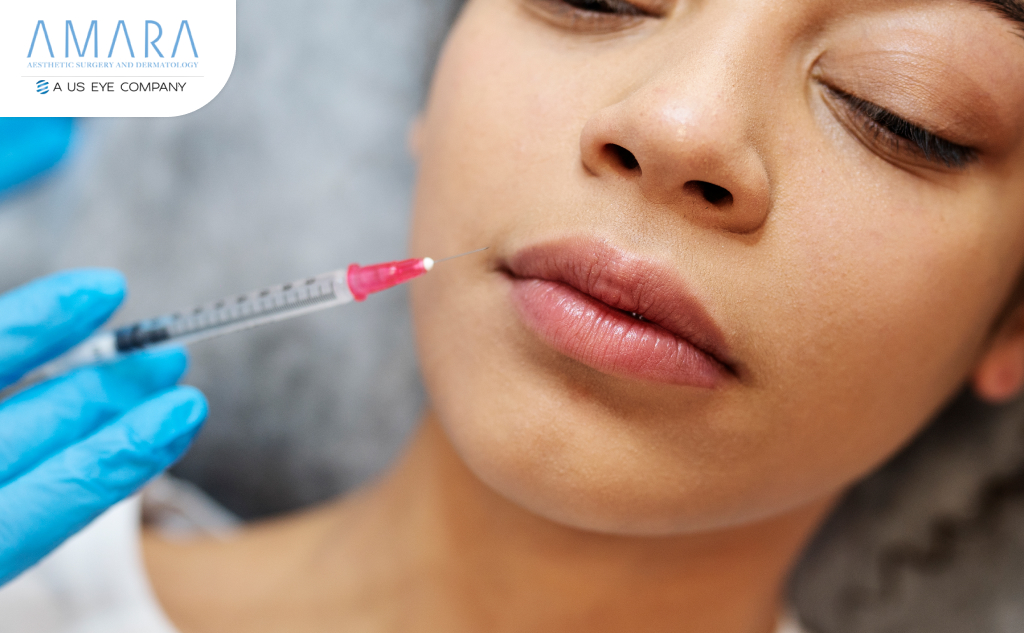
Myth 6: Fillers Will Make You Look Fake or Puffy
An overfilled, puffy appearance results from poor technique or excessive product use. Master injectors prioritize facial harmony over sheer volume. Modern fillers are designed to integrate seamlessly with your natural tissue and move dynamically with your expressions. When applied strategically, the enhancements remain virtually undetectable to others.
Myth 7: Filler Results Are Permanent
Most contemporary fillers are formulated with hyaluronic acid, a naturally occurring substance in your body. They are not permanent. Depending on the specific product used and the area treated, results typically last from 6 months to 2 years. Furthermore, hyaluronic acid fillers can be dissolved with the enzyme hyaluronidase if you are ever unhappy with the outcome.
Myth 8: Fillers Stretch Out Your Skin
A persistent online rumor suggests that your skin will sag more after fillers dissolve. This is not clinically accurate. Dermal fillers add support beneath the skin, creating a lifting effect. As the product gradually metabolizes, your skin returns to its baseline state. Many bio-stimulating fillers even encourage your body’s natural collagen production, improving your skin’s overall texture over time.
Myth 9: Dermal Fillers Are Unsafe
Patients frequently ask, “Are Botox and fillers safe?” When performed by licensed medical professionals using FDA-approved products, the safety profile of these treatments is excellent. Research on dermal fillers’ safety and side effects reveals that severe complications are rare. Minor swelling or bruising at the injection site is normal and resolves quickly.
Quick Fact: Hyaluronic acid holds up to 1,000 times its weight in water, which is why HA-based fillers leave the skin looking incredibly plump and hydrated.
Myth 10: Anyone Can Perform Injections
The rise of casual “Botox parties” has dangerously minimized the medical nature of these procedures. Correct injection requires a thorough understanding of facial anatomy, vascular structures, and product science. Trusting unqualified providers drastically increases the risk of asymmetry, vascular occlusion, and unnatural results. Always choose a board-certified dermatologist or a highly trained medical aesthetician.
Read on: Seasonal Skin Dehydration and Facial Lines: Where Botox and Dermal Fillers Fit In
Achieve Natural, Refreshed Results
Cosmetic injectables offer a powerful, non-surgical way to refine your features and turn back the clock. By separating fact from fiction, you can approach your aesthetic journey with clarity and realistic expectations. The key to success lies in subtle enhancements that highlight your natural bone structure and skin vitality.
When you partner with experienced professionals, you never have to worry about looking frozen or artificial. A tailored, conservative approach ensures you leave the clinic looking your most vibrant and well-rested.
Schedule Your Consultation
Ready to smooth away fine lines and restore youthful volume with absolute confidence? Book your appointment for expert dermal filler treatment in Venice, FL, at AMARA today. Our dedicated specialists are here to craft a personalized treatment plan that perfectly complements your unique features.
Frequently Asked Questions
The injection process is remarkably quick, often taking only 10 to 15 minutes. It is frequently referred to as a “lunchtime procedure” because you can return to your normal daily activities immediately afterward.
Dermal fillers provide instant volume and contouring, though minor swelling may obscure the final look for a few days. Botox takes time to disrupt nerve signals, usually showing initial effects within 3 to 5 days and reaching full results around the two-week mark.
Absolutely. Preventative and restorative injectables are highly effective for men. Providers adjust their injection techniques to maintain strong, masculine facial features while smoothing out deep forehead lines or restoring jawline definition.
Mild redness, slight swelling, and minor bruising at the injection sites are the most common side effects. These typically subside within a few days. Following your provider’s aftercare instructions closely will minimize any temporary discomfort.
Look for a licensed medical professional with specialized training in facial anatomy. Review their before-and-after portfolio to ensure their aesthetic style aligns with your preference for natural-looking results.